WhoWho developed the British Shorthair?
Descended from Roman cats brought to Britain, later standardized.
WhatWhat defines the breed?
A sturdy, round-faced cat with a plush coat and calm demeanor.
WhereWhere did it originate?
Developed in Britain.
WhenWhen did the breed begin?
Roots to Roman times; standardized in the 1800s.
WhyWhy was the breed created?
Originally working cats that guarded stores against rodents.
About the British Shorthair
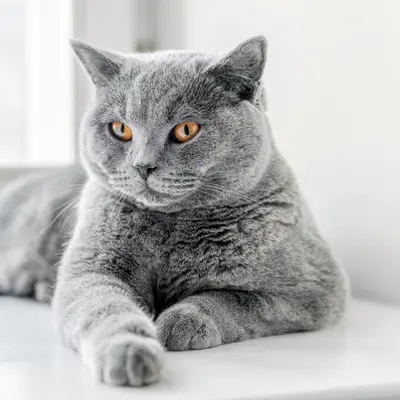
The British Shorthair is the teddy bear of the cat world — a sturdy, round-faced cat with a dense plush coat, chubby cheeks, and famously calm demeanor. One of the oldest English breeds, descended from the working cats of Roman Britain, it was refined into the dignified, easygoing companion we know today. The blue-grey 'British Blue' with copper eyes is the classic image, though the breed comes in many colors.
British Shorthairs are calm, undemanding, and quietly affectionate. They're not lap cats in the clingy sense — they prefer to sit near you rather than on you — but they're deeply loyal and love their families. Their placid, adaptable nature and easy grooming make them one of the most low-maintenance pedigree cats, ideal for relaxed homes and first-time owners alike.
Breed at a Glance
Coat Colors
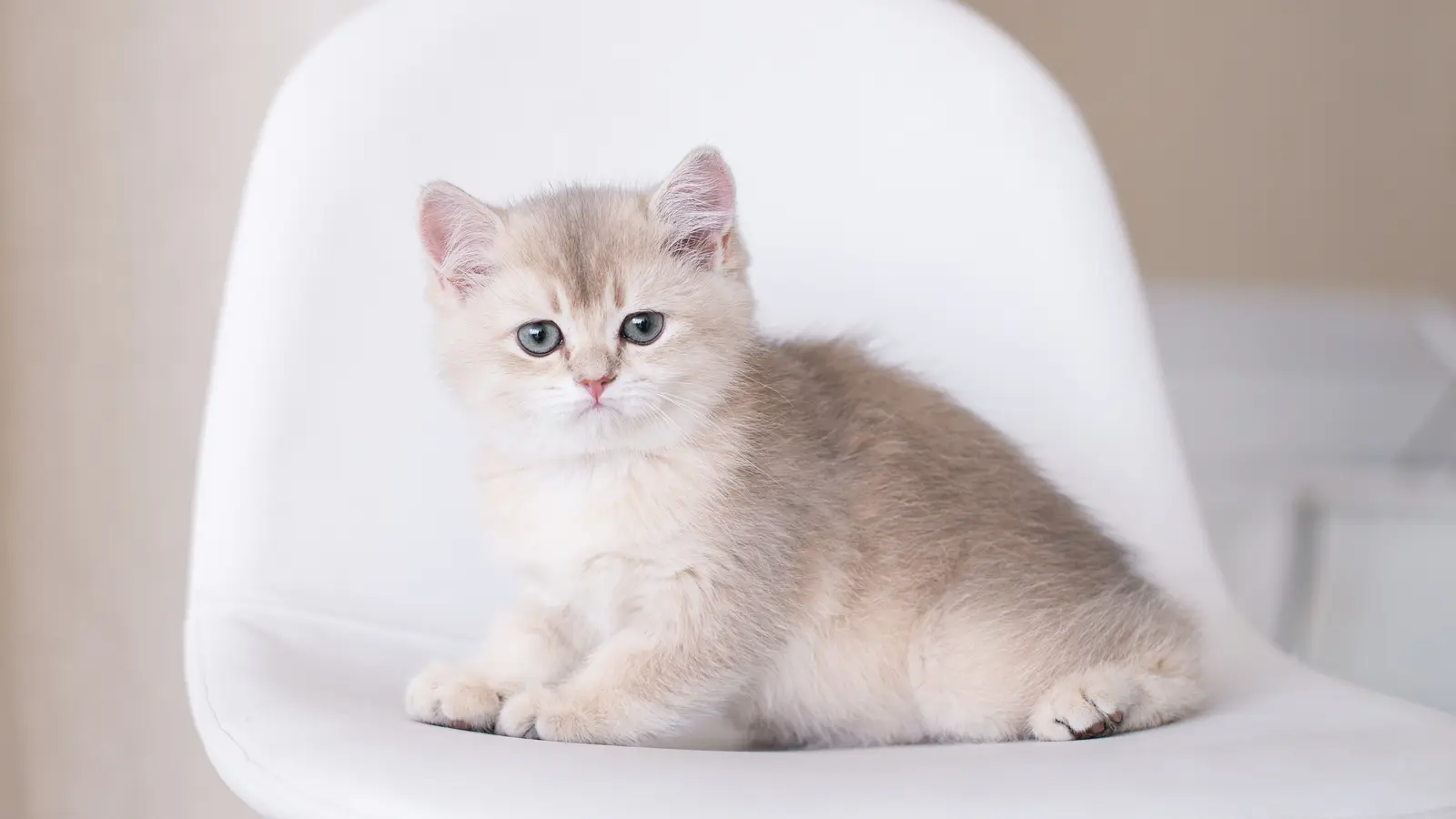
The breed appears in a range of colors and patterns. Here are some of the most recognized.
Temperament & Personality
British Shorthairs are the picture of feline composure: calm, dignified, and easygoing. They're affectionate but independent, happy to be near their people without demanding constant attention. Their laid-back nature makes them adaptable and undemanding, though they don't love being carried or overly handled.
- Calm and placid — one of the most relaxed pedigree breeds.
- Affectionate but independent; they prefer proximity to clinginess.
- Quiet and undemanding, adapting well to most households.
- Reserved with strangers but loyal and gentle with family.
Exercise & Enrichment Needs
British Shorthairs are not especially active and have a tendency toward laziness — and weight gain. Gentle daily play keeps them fit and prevents the middle-age spread the breed is prone to.
- Short interactive play — brief daily sessions suit their easygoing pace.
- Toys & puzzle feeders — encourage movement and mental engagement.
- Sturdy, low perches — they're not big jumpers but enjoy a good lounge spot.
- Weight monitoring — their relaxed nature makes portion control essential.
Grooming & Care
The dense, plush coat is easy to maintain most of the year, with heavier shedding during seasonal changes when a bit more brushing helps.
- Brush weekly, increasing to 2–3 times a week during spring and fall sheds.
- The thick coat has no long fur to mat, keeping care simple.
- Trim nails and check ears as part of routine care.
- Regular brushing reduces hairballs from that dense coat.
Health Considerations
British Shorthairs are generally robust and long-lived, but a few inherited concerns are worth screening in breeding lines.
- Hypertrophic cardiomyopathy (HCM) — the main concern; ask about cardiac screening.
- Polycystic kidney disease (PKD) — a DNA test lets breeders screen it out.
- Obesity — the breed's biggest everyday health risk.
- Hemophilia B — a bleeding disorder in some lines, DNA-testable.
Is a British Shorthair Right for You?
British Shorthairs reward owners with calm, low-maintenance companionship and quiet devotion — an ideal cat for relaxed or first-time homes.
A British Shorthair may be perfect if you…
- Want a calm, easygoing, low-drama cat.
- Prefer a companion that's affectionate but independent.
- Want easy grooming and an adaptable temperament.
Think twice if you…
- Want a highly active, playful, or clingy cat.
- Can't commit to managing their tendency to gain weight.
- Want a cat that loves being carried and cuddled constantly.
🐾What is the British Shorthair like?
Calm, dignified, and easygoing, a placid and undemanding cat with quiet affection.
🎾How much exercise do they need?
Low to moderate — playful in bursts but generally relaxed and independent.
✂️What about grooming & coat care?
Dense, plush coat needs brushing a couple times weekly; sheds seasonally.
❤️Health & longevity
Typically 12–17 years; watch for HCM and weight gain.
👪Who are they good with?
Steady, tolerant family cats good with kids and pets; not big on being carried.
The British Shorthair is always welcome here.
Whether your British Shorthair is here for a spa day, a fun-filled daycare visit, or a cozy overnight stay, our team understands exactly what this breed needs to feel safe, happy, and completely at home. We tailor every stay to your pet's unique personality — just like we would for our own.