WhoWho developed the Chartreux?
An ancient French breed linked to monastery legends.
WhatWhat defines the breed?
A blue-gray cat with a sweet, smiling face and a quiet, gentle nature.
WhereWhere did it originate?
Developed in France.
WhenWhen did the breed begin?
Ancient roots, documented for centuries.
WhyWhy was the breed created?
A naturally occurring breed prized as a calm companion and mouser.
About the Chartreux
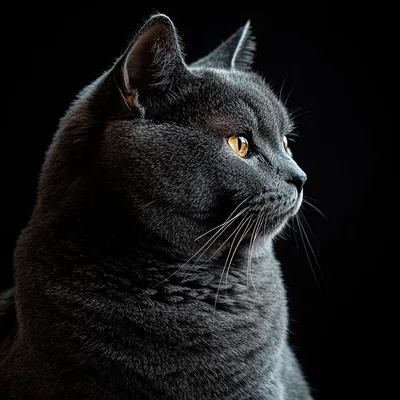
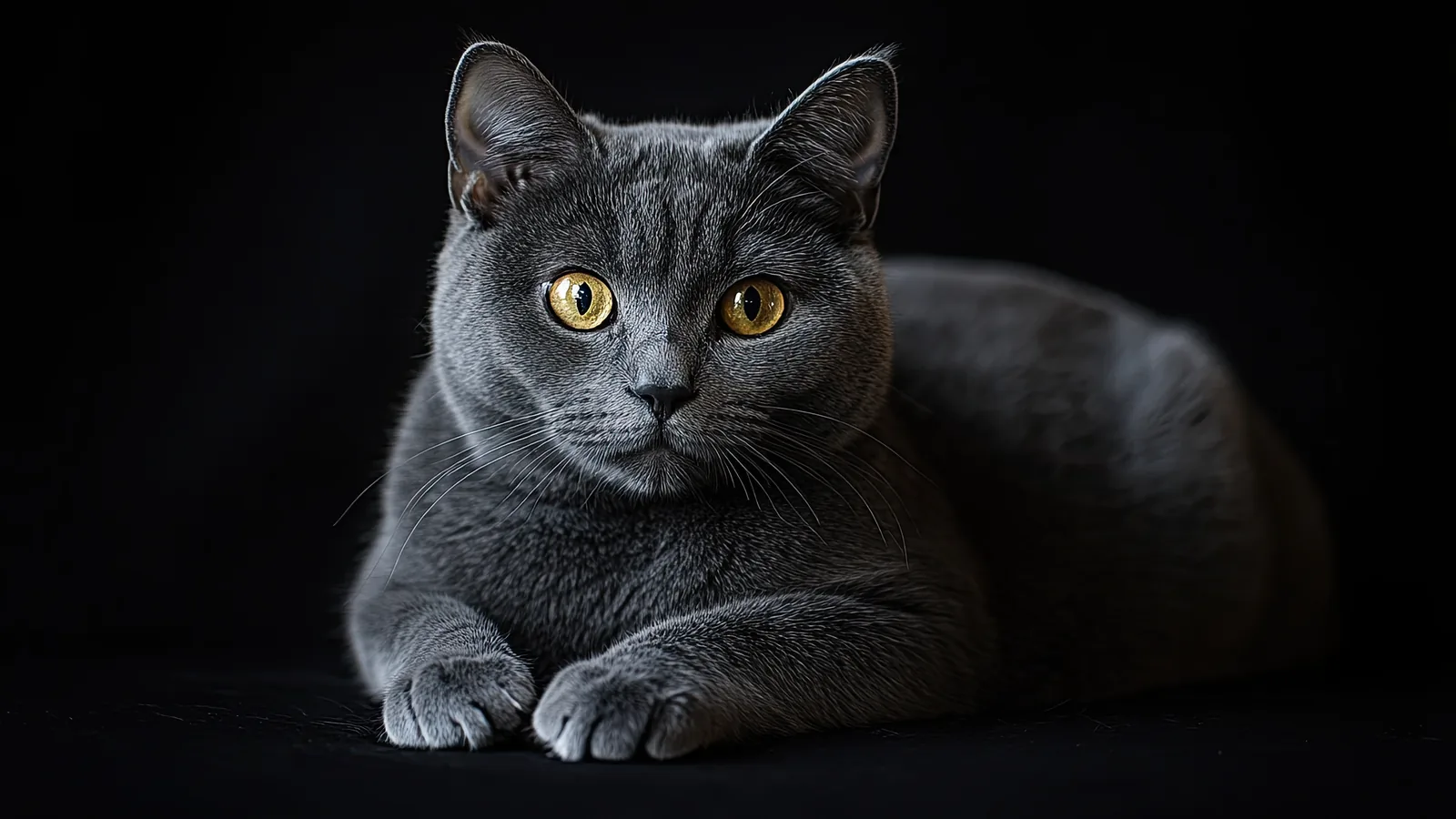
The Chartreux is France's ancient blue cat — a sturdy, muscular breed with a dense woolly blue-gray coat, copper eyes, and a distinctive "smiling" expression. Legend links them to Carthusian monasteries, and for centuries they were prized as quiet, capable mousers with a serene disposition.
Chartreux are gentle, observant, and quietly devoted. They attach to their people, follow them from room to room, and communicate with soft chirps rather than loud meows. Calm and adaptable, they make peaceful, undemanding companions that suit almost any home.
Breed at a Glance
Coat Colors
The breed appears in a range of colors and patterns. Here are some of the most recognized.
Temperament & Personality
Chartreux are calm, gentle, and observant. They bond quietly but deeply, preferring to be near their people rather than on top of them. Sweet-natured and adaptable, they bring a serene, easygoing presence to the home.
- Quiet and gentle — famously soft-voiced, often nearly silent.
- Loyal and devoted, following their favorite person around.
- Calm and adaptable, settling well into most households.
- Skilled, patient hunters with a playful streak.
Exercise & Enrichment Needs
Moderately active, the Chartreux enjoys play in relaxed bursts and appreciates a stable routine. Short daily sessions keep them fit and content.
- Wand toys — they enjoy a good, measured chase.
- Fetch — some Chartreux surprise owners by retrieving.
- Puzzle feeders — gentle mental engagement.
- Comfortable perches — they like to observe from a cozy spot.
Grooming & Care
That dense, water-resistant double coat needs regular attention, especially during seasonal molts, to stay healthy and free of tangles.
- Comb (don't just brush) once or twice a week to reach the dense undercoat.
- Increase grooming during spring and fall shedding.
- Avoid over-bathing, which strips the woolly texture.
- Routine nail, ear, and dental care.
Health Considerations
Chartreux are a hardy, long-lived breed, with only a few conditions to keep on the radar.
- Hip dysplasia — occasionally seen in this sturdy breed.
- Patellar luxation — a kneecap issue worth monitoring.
- Struvite crystals — support urinary health with proper diet and hydration.
- Weight management — key to protecting joints.
Is a Chartreux Right for You?
The Chartreux is a superb choice for owners wanting a calm, quiet, devoted companion with a striking blue coat.
A Chartreux may be perfect if you…
- Want a serene, gentle, quiet cat.
- Appreciate a devoted companion that follows you calmly.
- Prefer a low-drama, adaptable family pet.
Think twice if you…
- Want a chatty, highly vocal cat.
- Prefer a constantly active, athletic breed.
- Can't commit to seasonal coat combing.
🐾What is the Chartreux like?
Quiet, gentle, and observant, a calm and loyal French cat with a sweet, smiling face.
🎾How much exercise do they need?
Low to moderate — enjoys play but is calm and undemanding.
✂️What about grooming & coat care?
Dense, woolly blue coat needs weekly brushing; avoid over-bathing.
❤️Health & longevity
Typically 11–15 years; watch for patellar luxation and struvite crystals.
👪Who are they good with?
Gentle, quiet family cats good with respectful kids and other pets.
The Chartreux is always welcome here.
Whether your Chartreux is here for a spa day, a fun-filled daycare visit, or a cozy overnight stay, our team understands exactly what this breed needs to feel safe, happy, and completely at home. We tailor every stay to your pet's unique personality — just like we would for our own.