WhoWho developed the German Shepherd?
Standardized by Captain Max von Stephanitz from regional herding dogs.
WhatWhat defines the breed?
A powerful, highly trainable working dog prized for intelligence, drive, and devotion.
WhereWhere did it originate?
Developed across Germany from local herding breeds.
WhenWhen did the breed begin?
Founded as a breed in 1899 with the first registered dog, Horand von Grafrath.
WhyWhy was the breed created?
Bred to herd and protect flocks, then adapted for police, military, and service work.
About the German Shepherd
The German Shepherd is one of the most capable and recognizable dogs on earth — a working breed defined by intelligence, courage, and an almost unshakable bond with its handler. Developed in the late 1800s to herd and guard flocks, the breed proved so trainable and driven that it quickly moved into police, military, search-and-rescue, and guide-dog work. Today the same qualities make it a devoted, protective family companion.
What sets the German Shepherd apart is its combination of brains and willingness. They learn fast, work tirelessly, and want a job to do. A well-raised Shepherd is confident, steady, and deeply loyal — reserved with strangers but affectionate and gentle with its own people. That loyalty comes with a need for structure, training, and genuine engagement; this is a dog that thrives on partnership, not one that's content to be left alone in the yard.
Breed at a Glance
Coat Colors
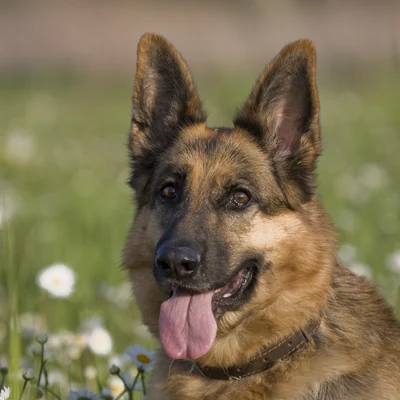
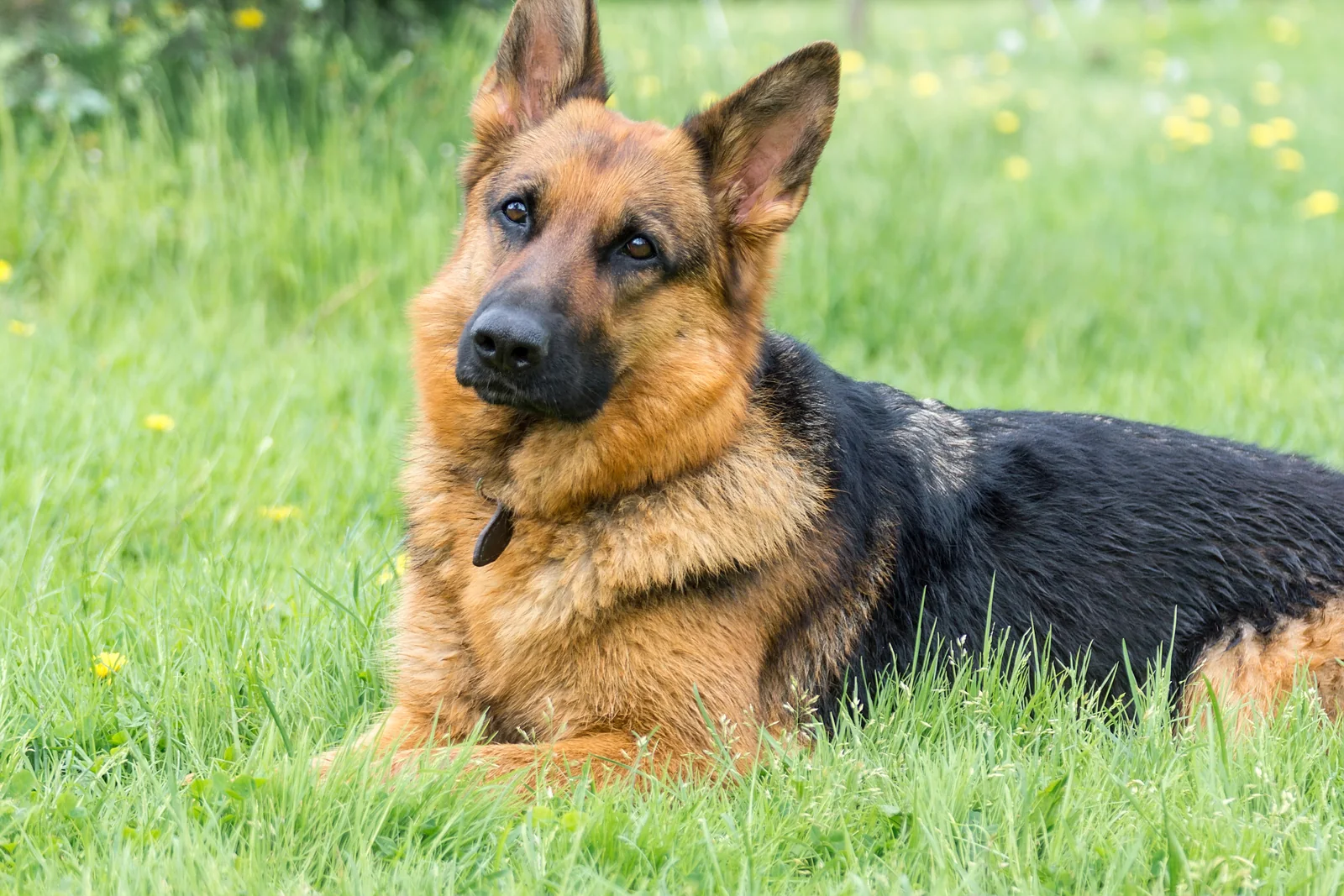
The classic German Shepherd is black and tan with a saddle pattern, but the breed comes in a range of colors. Sable, solid black, and black-and-red are all common; rarer shades include bi-color and even all-white (though white is not accepted in the standard for showing).
Temperament & Personality
German Shepherds are loyal to the core and famously "one-family" dogs. They bond intensely, read their people well, and are naturally protective without being needlessly aggressive when properly socialized. Their intelligence is a double-edged sword: give them a purpose and they're brilliant partners; leave them bored and they'll invent their own (often destructive) projects.
- Confident and courageous — a natural guardian of home and family.
- Extremely intelligent and eager to work; ranks among the most trainable of all breeds.
- Devoted and affectionate with their people, reserved and watchful with strangers.
- Sensitive to their handler's mood — they respond best to calm, consistent leadership.
Exercise & Enrichment Needs
This is a true working breed with matching stamina. A German Shepherd needs both hard physical exercise and real mental challenges every day — an under-stimulated Shepherd is where pacing, barking, and destructive habits come from.
- Obedience & training work — they love learning; structured sessions satisfy body and mind at once.
- Dog sports — agility, tracking, herding, and protection sports channel their drive beautifully.
- Long walks, runs & hikes — plan for well over an hour of vigorous activity daily.
- Puzzle toys & scent games — that powerful nose and problem-solving brain need regular workouts.
Grooming & Care
German Shepherds are nicknamed "German shedders" for good reason. Their dense double coat sheds steadily all year and blows out heavily twice a year, so consistent grooming is a must.
- Brush 3–4 times a week, and daily during seasonal shedding, to manage loose undercoat.
- Bathe only every few months — over-bathing strips the coat's natural protection.
- Check ears, trim nails regularly, and keep up with dental care several times a week.
- Never shave the double coat; it insulates against both heat and cold.
Health Considerations
German Shepherds are prone to a handful of well-known conditions, several tied to their size and structure. Choosing a breeder who health-tests, and keeping your dog lean and well-exercised, makes a real difference.
- Hip & elbow dysplasia — a signature concern for the breed; insist on OFA or PennHIP clearances.
- Degenerative myelopathy — a progressive spinal condition with a DNA test available.
- Bloat (gastric torsion) — as a deep-chested breed, feed measured meals and avoid hard exercise right after eating.
- Allergies & digestive sensitivity — a quality diet and routine vet care help keep these managed.
Is a German Shepherd Right for You?
German Shepherds reward committed, active owners with unmatched loyalty and versatility — but they're a serious commitment of time, training, and engagement. This is not a low-effort breed.
A Shepherd may be perfect if you…
- Have time for daily exercise, training, and one-on-one engagement.
- Want a loyal, protective companion that bonds deeply with the family.
- Enjoy training and would like a dog you can do sports or activities with.
Think twice if you…
- Are away from home often — Shepherds need companionship and a purpose.
- Want a low-energy, low-shedding, or hands-off dog.
- Are a first-time owner unsure about consistent training and socialization.
🐾What is the German Shepherd like?
Confident, loyal, and highly trainable, a courageous and versatile working dog devoted to family.
🎾How much exercise do they need?
High — needs daily physical exercise plus mental work and training.
✂️What about grooming & coat care?
Medium double coat sheds constantly and heavily in season; brush several times weekly.
❤️Health & longevity
Typically 9–13 years; watch for hip and elbow dysplasia, bloat, and degenerative myelopathy.
👪Who are they good with?
Loyal family guardians, excellent with kids they're raised with; need socialization and jobs.
The German Shepherd is always welcome here.
Whether your German Shepherd is here for a spa day, a fun-filled daycare visit, or a cozy overnight stay, our team understands exactly what this breed needs to feel safe, happy, and completely at home. We tailor every stay to your pet's unique personality — just like we would for our own.