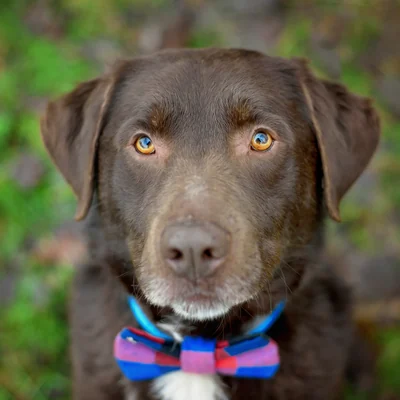

WhoWho developed the Labrador Retriever?
Developed by fishermen and later refined by British gentry from the St. John's water dog.
WhatWhat defines the breed?
An athletic, even-tempered gun dog famous for a soft mouth, love of water, and boundless friendliness.
WhereWhere did it originate?
Originated in Newfoundland, Canada, then perfected in England.
WhenWhen did the breed begin?
Emerged in the early 1800s and was recognized by the Kennel Club in 1903.
WhyWhy was the breed created?
Bred to retrieve fishing nets and waterfowl, then adapted into the world's most popular family and service dog.
About the Labrador Retriever
The Labrador Retriever has topped the list of America's most popular dog breed for decades, and it's easy to see why. Labs pair an athletic, hardworking body with one of the sweetest, most people-loving temperaments in the canine world. They were built to work all day beside fishermen and hunters, yet they're just as happy sprawled across the couch with the family in the evening. That rare blend of drive and gentleness is exactly what makes them such superb companions, service dogs, and adventure partners.
A well-bred Lab is confident without being pushy, friendly without being frantic, and eager to please without needing constant correction. They famously "never meet a stranger" — which makes them wonderful for busy households, but poor guard dogs. What they lack in suspicion they more than make up for in loyalty, patience, and an almost bottomless capacity for play.
Breed at a Glance
Coat Colors
The breed standard recognizes three classic colors. Beyond these you may hear about "fox red" (a deep shade of yellow) and "silver" or "charcoal" (diluted variations) — beautiful dogs, though not accepted in the official standard.
Temperament & Personality
If you had to describe a Labrador in three words, most owners would land on friendly, outgoing, and eager to please. They form deep bonds with their people and genuinely want to be part of everything — errands, hikes, movie nights, and the occasional counter-surf for a dropped snack. Their intelligence and food motivation make them a joy to train, which is why they dominate roles as guide dogs, therapy dogs, and search-and-rescue partners.
- Affectionate and endlessly social — thrive on human company and don't like long stretches alone.
- Gentle "soft mouth" — bred to carry game birds without a bruise, they're famously careful, even with kids.
- Playful well into adulthood — many Labs keep their puppy spirit until age 3 or beyond.
- Highly food-driven, which makes training easy but also means portion control matters.
Exercise & Enrichment Needs
This is an active, athletic breed that was built to work. A bored Lab is a mischievous Lab — chewing, digging, and restlessness are almost always signs of too little activity, not bad behavior. Aim for at least an hour of real exercise a day, plus mental stimulation.
- Swimming — their webbed feet and water-resistant coat make them natural swimmers; it's the perfect low-impact workout.
- Fetch & retrieve games — tapping into their original job is the fastest way to a tired, happy Lab.
- Scent work & puzzle feeders — engaging that powerful nose burns energy the couch never will.
- Structured play & training sessions — short, reward-based drills keep their busy brains satisfied.
Grooming & Care
Labs are wash-and-wear dogs, but "low-maintenance" doesn't mean "no-maintenance." Their dense double coat sheds steadily and blows out heavily twice a year.
- Brush weekly year-round, and daily during spring and fall shedding seasons, to control loose fur.
- Bathe every 4–8 weeks or as needed — that oily, water-resistant coat can pick up a "doggy" smell.
- Check and dry those drop ears regularly; water-loving dogs are prone to ear infections.
- Trim nails every few weeks and brush teeth several times a week.
Health Considerations
Labradors are generally robust, but like all purebreds they carry a few known predispositions. Reputable breeders screen for these, and good weight management prevents many issues before they start.
- Hip & elbow dysplasia — the most common orthopedic concern; ask for OFA or PennHIP clearances.
- Obesity — Labs have a genuine genetic tendency to overeat (a variant in the POMC gene). Measured meals and treat discipline are essential.
- Exercise-induced collapse (EIC) and progressive retinal atrophy (PRA) — both have DNA tests available.
- Bloat — as a deep-chested breed, feed measured meals and avoid hard exercise right after eating.
Is a Labrador Right for You?
Labs reward active, engaged owners with unmatched devotion — but they aren't a "set it and forget it" breed. They need time, exercise, and companionship to be their best selves.
A Lab may be perfect if you…
- Have an active lifestyle and room for daily exercise and play.
- Want a sociable, kid-friendly dog that loves being part of the family.
- Don't mind some shedding and a little water tracked through the house.
Think twice if you…
- Are away from home for long hours — Labs hate being lonely.
- Want a low-energy lap dog or a natural guard dog.
- Prefer a spotless, fur-free home.
🐾What is the Labrador Retriever like?
Friendly, outgoing, and eager to please, the world's most popular family dog for good reason.
🎾How much exercise do they need?
High — an athletic retriever that needs daily exercise, swimming, and fetch.
✂️What about grooming & coat care?
Short, dense double coat sheds heavily; brush weekly, more in season.
❤️Health & longevity
Typically 11–13 years; watch for obesity, hip and elbow dysplasia, and ear infections.
👪Who are they good with?
The classic family dog — wonderful with kids, strangers, and other pets.
The Labrador Retriever is always welcome here.
Whether your Labrador Retriever is here for a spa day, a fun-filled daycare visit, or a cozy overnight stay, our team understands exactly what this breed needs to feel safe, happy, and completely at home. We tailor every stay to your pet's unique personality — just like we would for our own.