WhoWho developed the Pixie-bob?
Developed to resemble the wild North American bobcat.
WhatWhat defines the breed?
A muscular, bobtailed cat with a wild look and dog-like devotion.
WhereWhere did it originate?
Developed in the USA.
WhenWhen did the breed begin?
Established in the 1980s.
WhyWhy was the breed created?
Bred to capture the appearance of the coastal red bobcat.
About the Pixie-bob
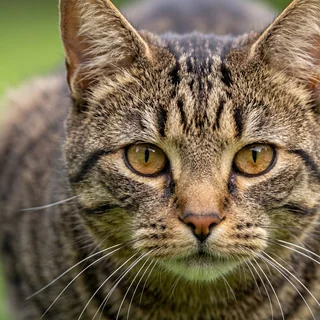
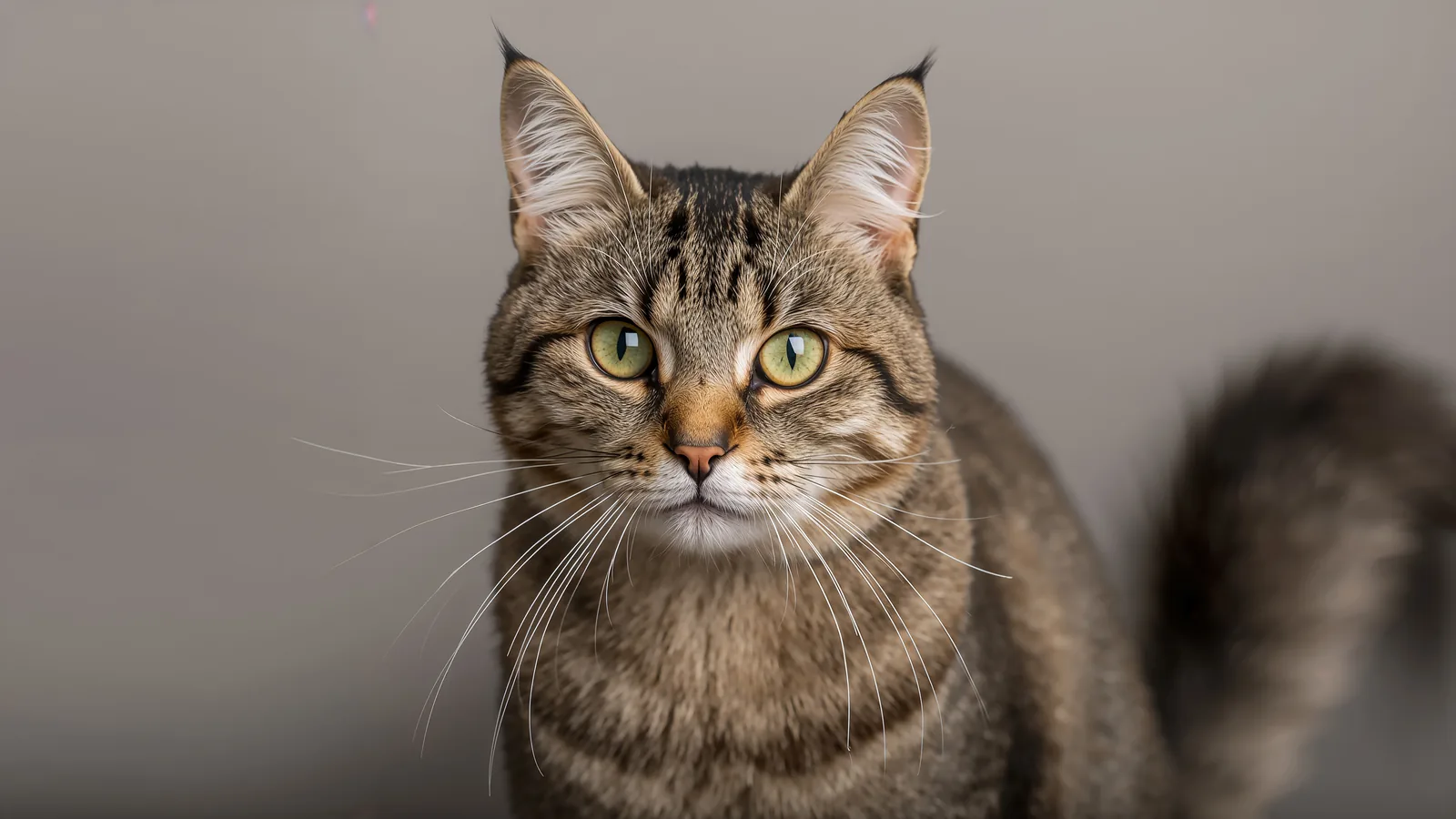
The Pixie-bob looks like a wild bobcat in miniature — muscular, tufted-eared, often polydactyl (extra-toed), with a short "bobbed" tail and a wild, mottled coat. Despite the untamed appearance, it's a fully domestic breed developed in the Pacific Northwest, prized for its rugged good looks and gentle heart.
Pixie-bobs are famously dog-like: loyal, social, and often happy to walk on a leash or fetch a toy. They bond deeply with their families, get along with children and other pets, and communicate with chirps and chitters rather than typical meows. Big, gentle, and devoted, they're a wonderful family cat in a wild wrapper.
Breed at a Glance
Coat Colors
The breed appears in a range of colors and patterns. Here are some of the most recognized.
Temperament & Personality
Pixie-bobs are loyal, gentle, and social — the very picture of a dog in cat form. They bond closely with their people, join in family activity, and stay calm and tolerant even in busy households.
- Devoted and loyal — they attach strongly to their family.
- Dog-like behaviors — leash-walking, fetching, and following you around.
- Gentle and tolerant, wonderful with children and other animals.
- Communicate with distinctive chirps and chitters.
Exercise & Enrichment Needs
Active but not hyperactive, the Pixie-bob enjoys play and adventure while remaining an easygoing companion. Daily engagement keeps them content.
- Leash walks — many Pixie-bobs love outdoor exploration on a harness.
- Fetch games — they'll often retrieve a favorite toy.
- Puzzle feeders — satisfy their curious minds.
- Climbing perches — sturdy structures suit their size.
Grooming & Care
The dense, woolly coat is easy to maintain with regular brushing, and the breed's grooming needs scale with coat length.
- Brush once or twice a week; more during seasonal shedding.
- Longer-coated individuals need slightly more frequent combing.
- Check extra toes on polydactyl cats when trimming nails.
- Routine ear and dental care.
Health Considerations
Pixie-bobs are generally hardy, though a few conditions warrant awareness, particularly around their distinctive traits.
- Hypertrophic cardiomyopathy (HCM) — the common feline heart concern.
- Cryptorchidism — occasionally seen in males.
- Polydactyly care — extra toes need regular nail attention.
- Dental disease — routine care recommended.
Is a Pixie-bob Right for You?
The Pixie-bob is ideal for families wanting a large, loyal, dog-like cat with wild looks and a gentle, sociable temperament.
A Pixie-bob may be perfect if you…
- Want a devoted, dog-like family cat.
- Have kids or other pets and value a tolerant companion.
- Enjoy leash-walking and interactive play.
Think twice if you…
- Want a small, delicate lap cat.
- Prefer a chatty, meowing cat over a chirping one.
- Can't provide daily engagement and companionship.
🐾What is the Pixie-bob like?
Loyal, gentle, and social, a wild-looking bobcat lookalike with a devoted, dog-like temperament.
🎾How much exercise do they need?
Moderate — playful and interactive; enjoys games and even leash walks.
✂️What about grooming & coat care?
Short or long coat needs weekly brushing; sheds seasonally.
❤️Health & longevity
Typically 13–15 years; a generally healthy breed; watch for weight and dental care.
👪Who are they good with?
Devoted family cats, wonderful with kids, dogs, and other pets.
The Pixie-bob is always welcome here.
Whether your Pixie-bob is here for a spa day, a fun-filled daycare visit, or a cozy overnight stay, our team understands exactly what this breed needs to feel safe, happy, and completely at home. We tailor every stay to your pet's unique personality — just like we would for our own.