WhoWho developed the Siberian Husky?
Bred by the Chukchi people of northeastern Siberia.
WhatWhat defines the breed?
A striking, endurance sled dog with a wolfish look and a friendly heart.
WhereWhere did it originate?
Developed in northeastern Siberia.
WhenWhen did the breed begin?
An ancient breed, brought to Alaska in 1908.
WhyWhy was the breed created?
Bred to pull light loads over vast frozen distances.
About the Siberian Husky
The Siberian Husky is a strikingly beautiful, endlessly energetic sled dog built for endurance and teamwork. Developed by the Chukchi people of northeastern Siberia to pull light loads over vast frozen distances, the breed combines remarkable stamina with a friendly, outgoing nature. Huskies gained worldwide fame in 1925 during the famous "serum run" to Nome, Alaska, when relay teams raced life-saving medicine through brutal Arctic conditions.
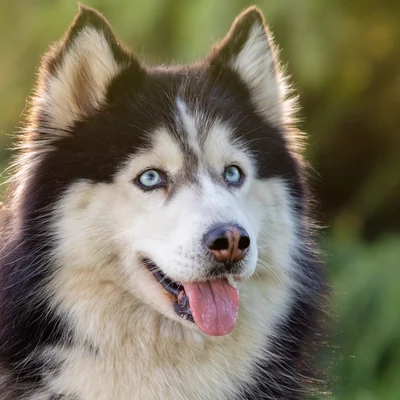
With their thick coats, wolf-like looks, and often piercing blue (or multicolored) eyes, Huskies are unmistakable. But their beauty comes with a working dog's needs: they are athletic, independent, and famously mischievous, with a strong instinct to run and roam. Huskies are affectionate and sociable — they were bred to live and work in packs — but they're happiest with an active owner who understands their unique, spirited character.
Breed at a Glance
Coat Colors & Eyes
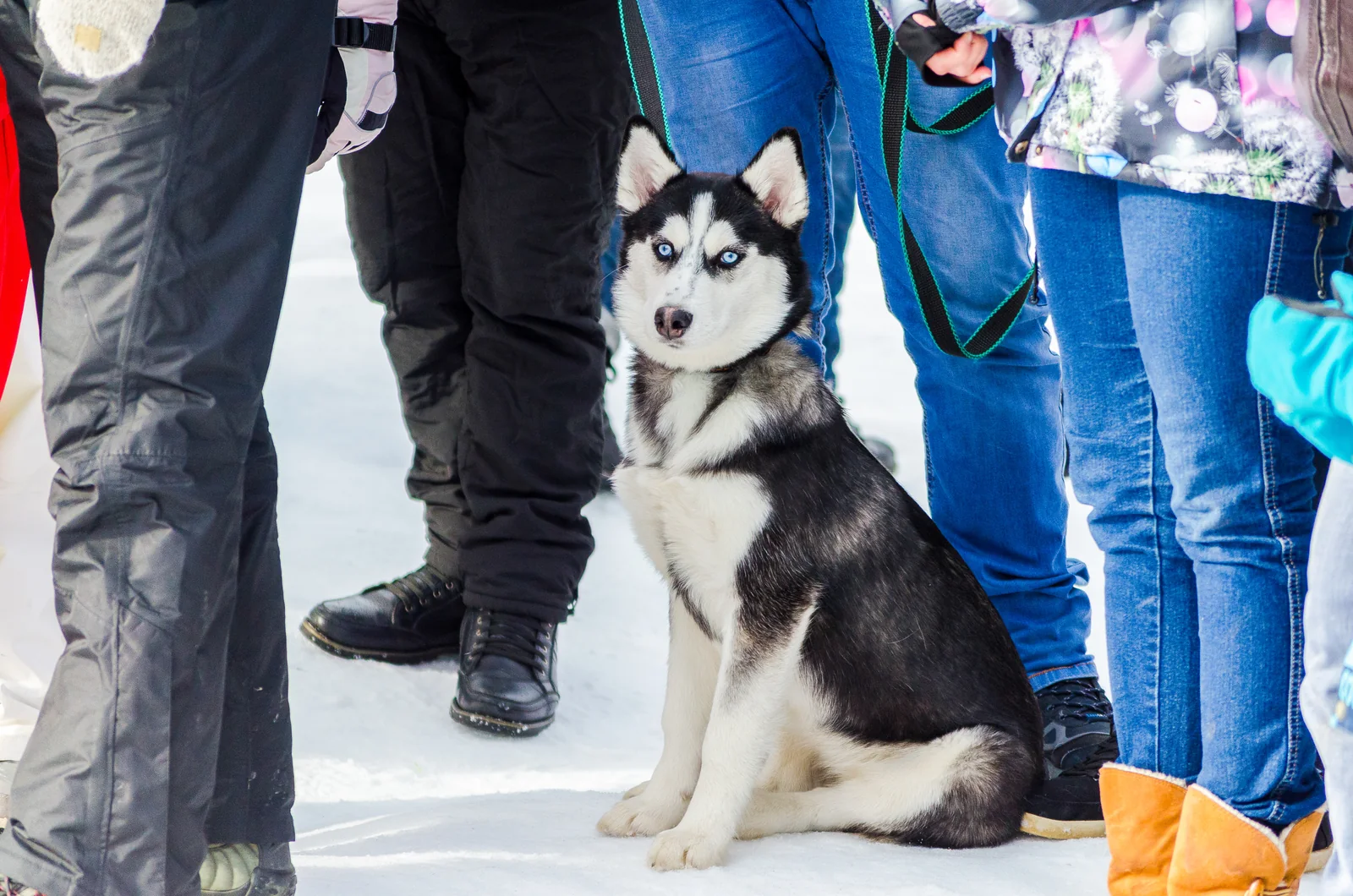
Huskies come in a wide range of coat colors, from black and white to gray, red, agouti, sable, and pure white. Their eyes are just as varied — blue, brown, amber, or even "bi-eyed" (one of each) and "parti-eyed" (two colors in a single eye). This dramatic variety is part of the breed's signature allure.
Temperament & Personality
Huskies are friendly, gentle, and remarkably social — a legacy of their pack-working roots. They tend to love everyone, including strangers, which makes them poor guard dogs but wonderful, good-natured companions. They're also intelligent and independent, with a stubborn streak and a well-earned reputation for mischief, escape artistry, and "talking" back in howls and dramatic vocalizations.
- Friendly and outgoing — sociable with people and other dogs.
- Energetic and playful, with an irrepressible sense of adventure.
- Independent and clever; they think for themselves and can be stubborn.
- Vocal — Huskies are famous for their howls, "woos," and chatter rather than barking.
Exercise & Enrichment Needs
This is one of the highest-energy breeds around, bred to run for hours. Without substantial daily exercise, a Husky will become bored, destructive, and determined to escape in search of adventure.
- Vigorous daily exercise — running, hiking, or biking; a quick walk won't cut it.
- Sledding, skijoring & carting — tap into their working heritage for real fulfillment.
- Secure, enriched space — they need a job and a safe outlet for their energy.
- Mental challenges — puzzle toys and training keep that clever mind occupied.
Grooming & Care
That gorgeous double coat is built for the Arctic — and it sheds spectacularly. Grooming is a real, ongoing commitment.
- Brush several times a week year-round, and daily during the twice-yearly coat "blowouts."
- Never shave the double coat — it insulates against both cold and heat.
- Bathe occasionally; Huskies are naturally clean and relatively odor-free.
- Keep nails trimmed, check ears, and maintain dental care.
Health Considerations
Siberian Huskies are generally a healthy, hardy breed, but a few conditions are worth watching. Reputable breeders screen for them.
- Eye disorders — cataracts, corneal dystrophy, and progressive retinal atrophy (PRA) occur in the breed.
- Hip dysplasia — less common than in some breeds, but still worth screening.
- Hypothyroidism — a manageable hormonal condition seen in Huskies.
- Heat sensitivity — built for cold, they need care and shade in hot climates.
Is a Siberian Husky Right for You?
Huskies are stunning, friendly, high-adventure companions — but they're a serious commitment of exercise, containment, and grooming. They reward the right owner richly and frustrate the unprepared one.
A Husky may be perfect if you…
- Are very active and want a running, hiking, or sledding partner.
- Have a securely fenced yard and can commit to lots of daily exercise.
- Don't mind heavy shedding and a vocal, independent-minded dog.
Think twice if you…
- Want an off-leash-reliable dog or a natural guard dog.
- Can't provide intense daily exercise and secure containment.
- Live somewhere very hot, or want a low-shedding, low-maintenance breed.
🐾What is the Siberian Husky like?
Friendly, outgoing, and mischievous, a pack-oriented sled dog with an independent, escape-artist streak.
🎾How much exercise do they need?
Very high — bred to run vast distances; needs intense daily exercise and secure fencing.
✂️What about grooming & coat care?
Thick double coat sheds dramatically twice a year; brush weekly, daily during blows.
❤️Health & longevity
Typically 12–14 years; watch for eye conditions, hip dysplasia, and hypothyroidism.
👪Who are they good with?
Great with kids and other dogs; strong prey drive, wanderlust, and not for first-timers.
The Siberian Husky is always welcome here.
Whether your Siberian Husky is here for a spa day, a fun-filled daycare visit, or a cozy overnight stay, our team understands exactly what this breed needs to feel safe, happy, and completely at home. We tailor every stay to your pet's unique personality — just like we would for our own.